Heatwaves, droughts and floods alone won’t create popular support for putting a price on carbon pollution
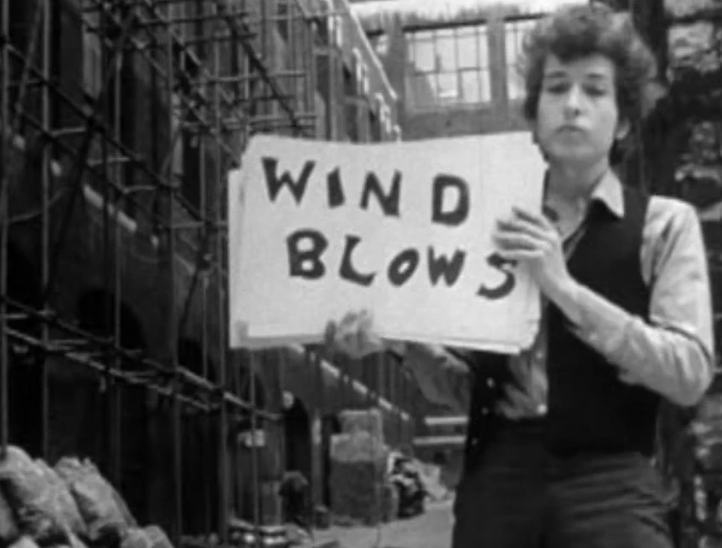
Bob didn’t need a weatherman
Extreme weather and record temperatures are forcing almost every nation to reassess its climate exposure and the cost of coping. Europe is preparing to launch the latest expansion of its carbon tax, known as ETS2, while the rest of the world considers how to respond to its Carbon Border Adjustment Mechanism. At the same time, the closure of the Straits of Hormuz is just the latest disruption exposing the risks of relying on fossil fuels. Despite politicised climate scepticism, most businesses and citizens recognise that something is seriously wrong.
Could this be the moment when support for carbon pricing – the single most powerful solution to climate change that the world has at its disposal – finally begins to coalesce?
Carbon pricing is no silver bullet. But it has the potential to accelerate most every measure that stands to mitigate climate change. Putting a price on emissions can catalyse business investment and promote capital allocation, supercharge technology-powered decarbonisation, and incentivise consumers and households to make greener choices.
To make the most of the moment and convert interest in solutions into support for policy, three ways of communicating are essential: talk about what really matters to people, call climate change what it really is – a pollution problem – and provide real incentives to make the changes needed.
Stop talking about the weather
Extreme weather is real, is happening now, and in many cases is genuinely dangerous. The problem is that it’s far too quickly being absorbed into what people accept as normal. That pushes the conversation too fast toward coping strategies. Those matter, of course, but they should take place only after we talk about halting and reversing climate change. Only then should we move to the “in the meantime, here’s what we can do…” discussion.
Heatwaves and other extreme weather events are most useful as a bridge to a more motivating and consequential conversation, one that starts with a simple warning: “You ain’t seen nothing yet.”
Instead of complaining about today’s weather, it’s worth reminding ourselves that it signals a much more serious impact tomorrow. We should focus on what matters most to people: their children and grandchildren, their jobs and livelihoods, their health and quality of life. Research has found that when climate is communicated in moral, global, or technical terms, audiences disengage. But when the climate challenge is communicated through emotionally meaningful references, support for solutions jumps by double‑digit percentage points. That is precisely what carbon pricing needs: popular support for specific solutions.
Call it pollution, treat it like pollution
Alright. We’ve convinced people that today’s weather is only going to get worse, and that their lives and families will suffer. What next? What can they do about it?
The difficulty is that climate change and man-made global warming behind it seems too big and abstract for individuals to stop. People distrust quick fixes. “Just stop oil” isn’t realistic, and no one wants their car or holidays taken away.
It’s more effective to frame greenhouse gas emissions causing climate change as a pollution problem. Why? Because pollution is a known and familiar concept, understood as being harmful, and something societies can and should reduce.
The world’s treatment of acid rain in the 1990s suggests the power of this framing and also points clearly towards a specific policy solution. Acid rain led directly to the cap-and-trade system that put a tangible price on pollution and thereby played a pivotal role in addressing the problem.
Putting a price on greenhouse gas pollution can play a similarly pivotal role in addressing climate change. This in turn opens the door to redefining carbon pricing as a practical way to remove hidden subsidies for pollution, rather than a way to punish consumers for their lifestyle choices.
Show them the money
So, we’ve made the problem relevant and compelling, and put a tried and tested solution on the table. But because carbon pricing works explicitly by raising prices, the next big question is how to sell it?
The simple answer: give the money back.
Any carbon pricing system that doesn’t redistribute a chunk of the revenue it raises back to taxpayers makes it almost impossible to gain popular support. Cost-of-living issues are simply too real and the political environment around climate too polarized not to insulate the most economically vulnerable sections of the population from any increase in prices imposed by a carbon tax.
The unequal distribution of carbon emissions creates an opportunity for a more ambitious and compelling approach. Rich people have a massive carbon footprint compared to middle-class and low-income households. If the proceeds from a fixed carbon price were distributed equally among all households, poorer households would end up better off. This useful tool shows how that outcome plays out almost everywhere. Higher-income groups, meanwhile, can afford the additional cost of paying for the carbon emitted by their cars, flights and homes. They are also better placed to invest in solar panels, insulation, heat pumps and EVs that reduce their emissions and their carbon taxes.
There are many, many ways to design and fine-tune such a redistribution of carbon-tax revenues. The key point is to prioritise systems that are the easiest to understand and clearly put the most money fastest back in the pockets of regular people.
In other words, show them the money.